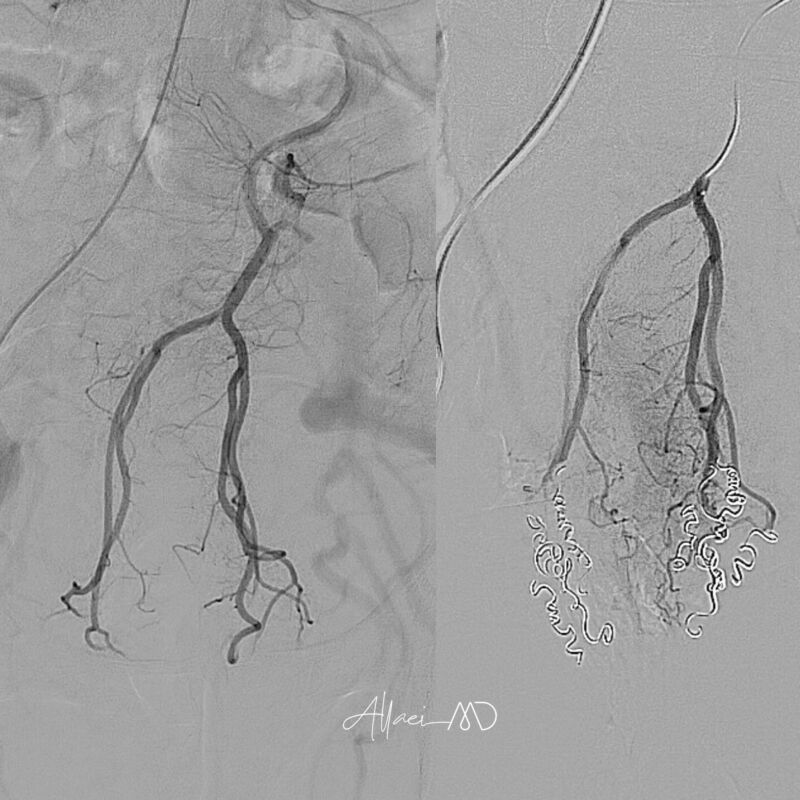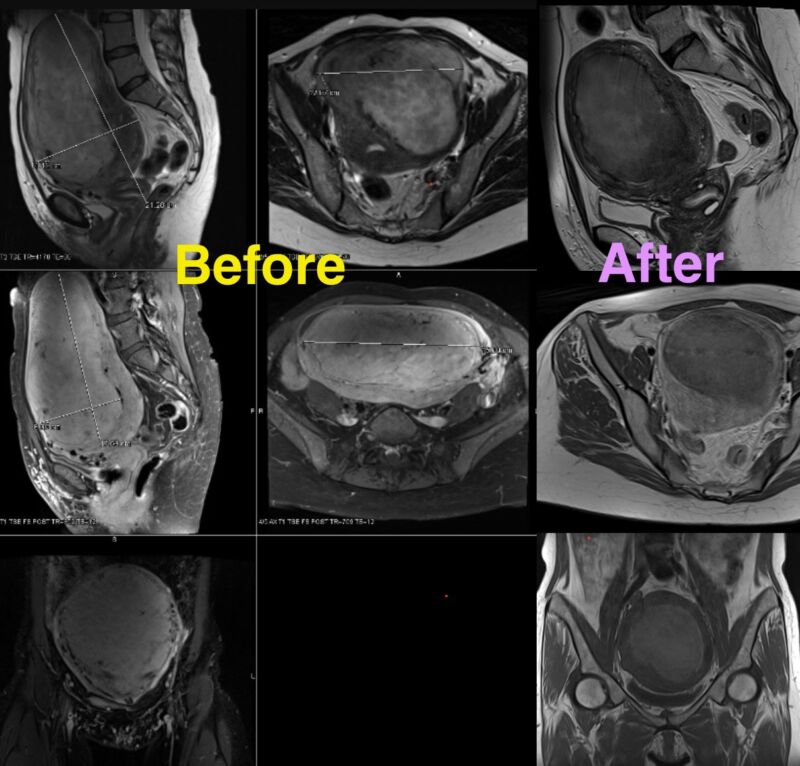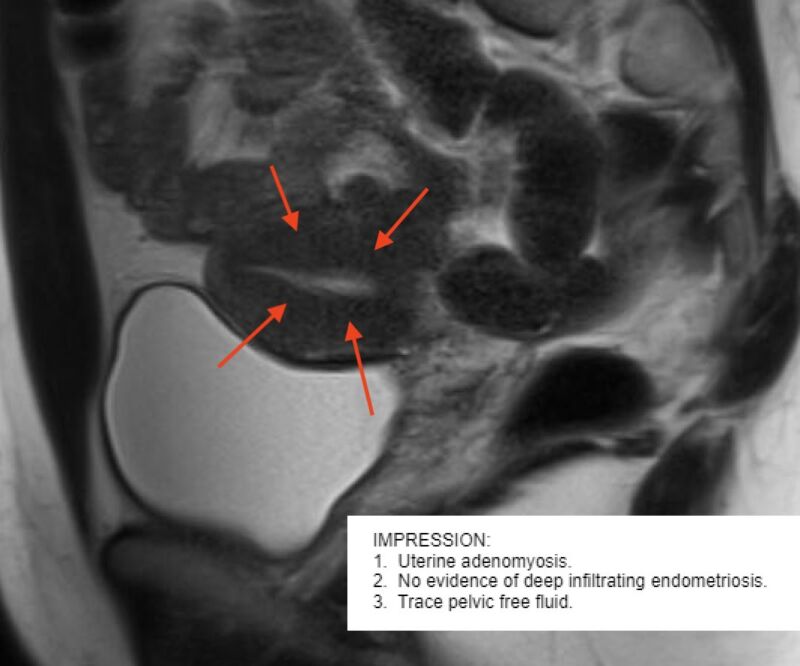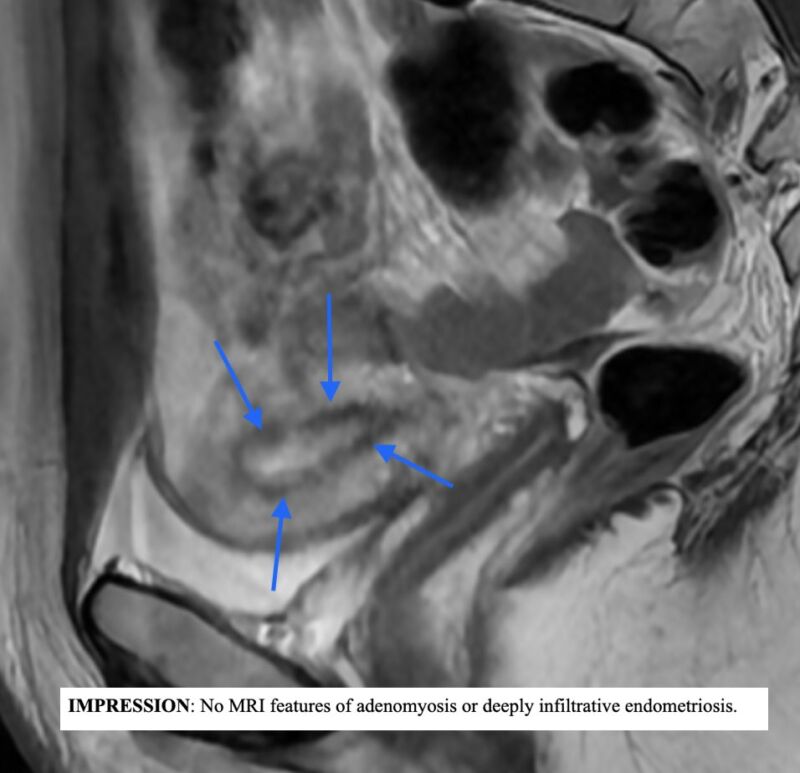



Dr. Allaei Varicocele Doctor

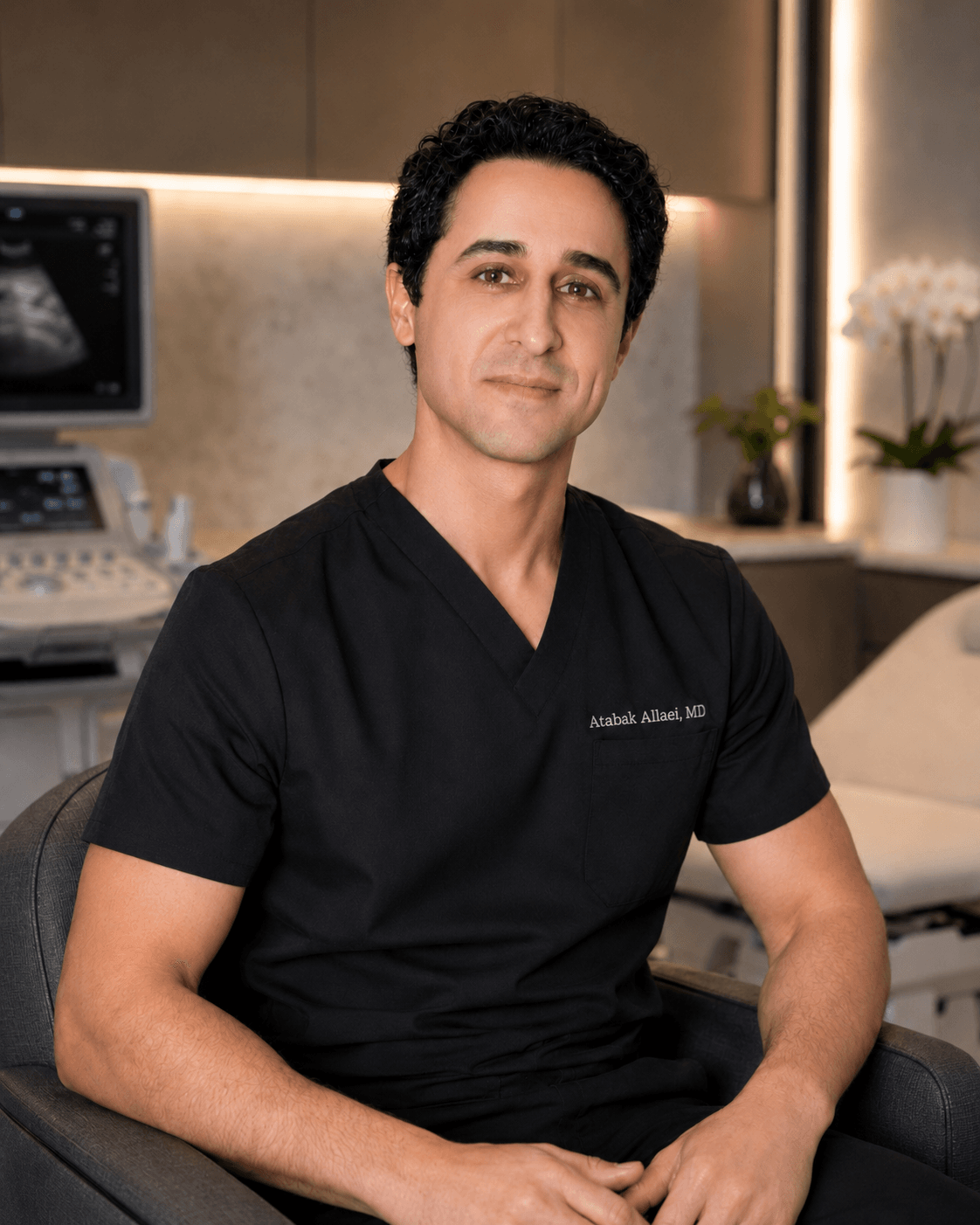
Dr. Atabak Allaei is a double board-certified physician in Vascular & Interventional Radiology and Diagnostic Radiology, with advanced training in both diagnostic imaging and minimally invasive image-guided treatment. He serves on staff at Cedars-Sinai Medical Center in Beverly Hills and UCI Health, and is the Medical Director of California Vascular & Interventional.

Recognized for his expertise in prostate artery embolization, also known as PAE, Dr. Allaei was among the early adopters of the PAE procedure and has helped advance non-surgical treatment options for men with enlarged prostate symptoms. As a PAE specialist, he offers a minimally invasive alternative for select patients seeking relief from urinary symptoms without traditional prostate surgery.

Dr. Allaei specializes in embolization therapies and has extensive experience performing advanced image-guided procedures. He has performed more than 5,000 image-guided treatments, including prostate artery embolization, fibroid embolization, musculoskeletal embolization, tumor embolization, and other complex vascular interventions. His experience extends to embolization and image-guided treatments involving the lungs, liver, kidneys, bowel, bladder, tumors, pelvis, and vascular system.

PAE requires a high level of technical skill because the prostate arteries are often small, variable, and located near other important pelvic blood vessels. Successful treatment depends on detailed imaging interpretation, precise catheter navigation, and careful embolization technique. Dr. Allaei’s background in complex embolization gives him a unique advantage in performing PAE safely and effectively, especially in patients with challenging anatomy.

Originally from San Diego, California, Dr. Allaei earned his undergraduate degree in Biochemistry and Cell Biology from the University of California, San Diego, graduating Summa Cum Laude. He later pursued breast cancer research before earning his Doctor of Medicine degree from the State University of New York. He completed residency training in New York, followed by fellowship training in Vascular and Interventional Radiology at the prestigious Mallinckrodt Institute of Radiology at Washington University/Barnes-Jewish Medical Center.

Patients choose Dr. Allaei not only for his recognized expertise in PAE, but also for his personalized and honest approach to care. He takes time to review each patient’s imaging, symptoms, prostate size, and treatment goals before recommending the most appropriate option. His goal is to provide advanced, minimally invasive prostate care with precision, compassion, and long-term improvement in quality of life.

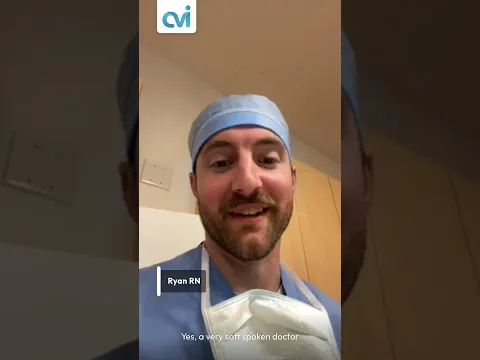
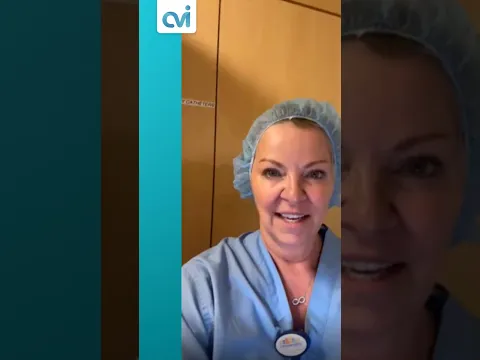
What do Staff say ?

Our Specialist

Atabak Allaei, MD

Double board-certified in Vascular & Interventional Radiology and Diagnostic Radiology. Medical Director, California Vascular & Interventional. He performs every prostate artery embolization himself.

Why patients seek our doctor

An enlarged prostate, treated without surgery

An approach refined across thousands of image-guided procedures — for men who were told that surgery on the prostate was the only thing left to try.

Prostate artery embolization treats the prostate from inside the blood vessels, through a pinhole in the wrist or groin. Nothing is cut, nothing is resected through the urethra, and no prostate tissue is removed. Every case is planned from his own reading of your imaging and performed by his own hand.

He does every case himself

Every appointment and every procedure is conducted by Dr. Allaei — not a physician assistant, nurse practitioner or rotating provider.

He reads your imaging himself

Board certification in Diagnostic Radiology means he reviews your CT or MRI directly, rather than working from another radiologist's report.

The right specialty for this procedure

Embolization is a vascular procedure, not a urologic surgery. It is performed by interventional radiologists, not urologists.

Difficult prostate anatomy is routine

The prostate arteries are small, variable and sit close to other pelvic vessels. Thousands of embolizations across the body is what makes the hard ones manageable.

An early adopter of PAE

Dr. Allaei was among the first physicians in the region to offer prostate artery embolization, and has helped advance it as a non-surgical option for BPH.

Your physician

Atabak Allaei, MD

Double Board-Certified · Vascular & Interventional Radiology and Diagnostic Radiology
Medical Director, California Vascular & Interventional

  • Double board-certified
  • 10,000+ image-guided procedures
  • 2,000+ embolizations
  • Cedars-Sinai & UCI Health staff
  • Early adopter of PAE
The part most pages leave out

PAE is a harder procedure than it sounds

The outcome of a prostate artery embolization is decided by whether the right vessels are found and the wrong ones are avoided. Successful treatment depends on detailed imaging interpretation, precise catheter navigation, and careful embolization technique — and that is where experience separates one operator from another.

Dr. Allaei’s background in complex embolization across the whole body is what allows him to take on prostate anatomy that other operators turn away — including men with atherosclerotic vessels, unusual branching, or a very large gland.
  1. The arteries are small. Prostatic arteries are often around 1–2 mm, and must be catheterized selectively rather than approximately.
  2. The anatomy varies between men. The origin of the prostatic artery differs from patient to patient, and frequently differs between the left and right side of the same patient.
  3. The neighbours matter. Prostatic branches sit close to vessels supplying the bladder, rectum and penis, which must be identified and protected.
  4. Imaging carries the case. Cone-beam CT and careful angiographic interpretation are what confirm the target before anything is embolized.
  5. Both sides are treated. A technically complete PAE means finding and treating the supply on each side, not settling for the accessible one.
Background

About Dr. Allaei

Focus: the enlarged prostate

Dr. Allaei is recognized for his expertise in prostate artery embolization, and was among the early adopters of the procedure in California. He is respected in the field for advanced technical skill, careful patient selection, and the ability to manage complex embolization cases.

Men travel from across the country for a minimally invasive alternative to major surgery or prolonged recovery — for urinary frequency, weak stream, incomplete emptying, nighttime waking, or a prostate that has grown too large for other options to be offered.

Breadth of experience

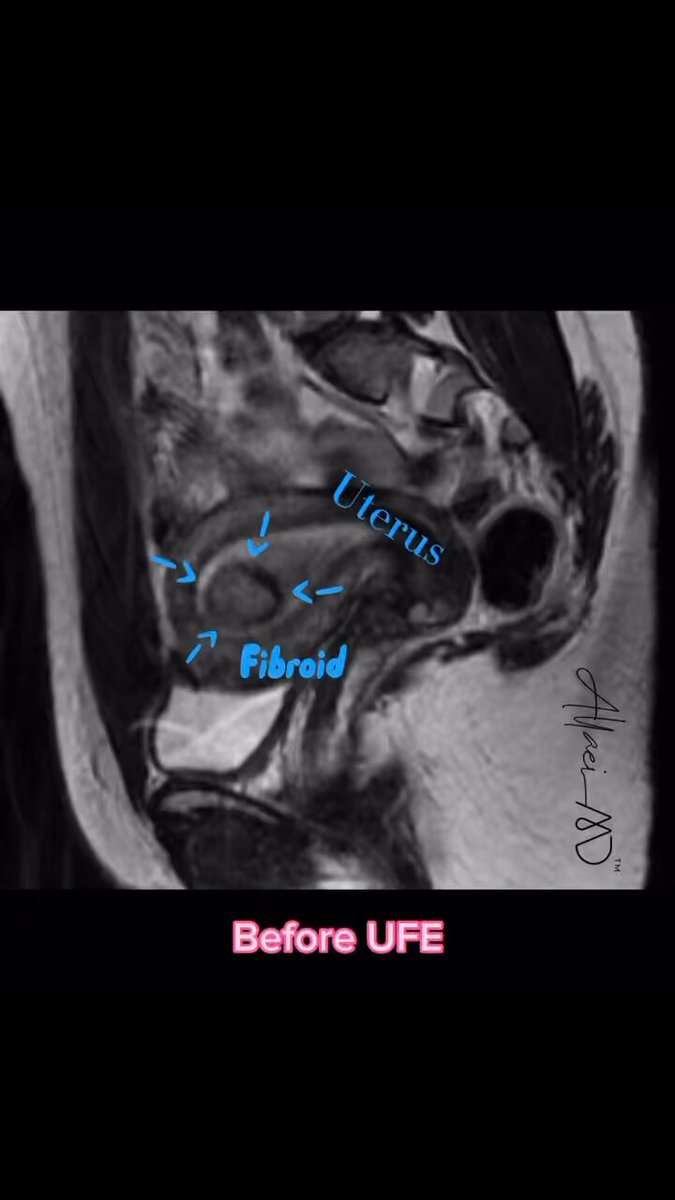
Dr. Allaei has performed more than 10,000 image-guided procedures, including over 2,000 embolizations — prostate artery embolization, fibroid embolization, musculoskeletal embolization, tumor embolization, and other complex vascular interventions. That work spans well beyond the prostate:

  • Prostate
  • Pelvis
  • Lungs
  • Liver
  • Kidneys
  • Bowel
  • Bladder
  • Tumors
  • Musculoskeletal
  • Vascular system

This procedural background is what allows him to approach even complex prostate cases with a high level of judgment, technical confidence, and attention to patient safety.

Why the specialty matters

Prostate artery embolization is not a urologic surgery. Nothing is cut and no tissue is removed — the prostate is treated from inside the blood vessels, through a pinhole, under live X-ray guidance. That is a vascular procedure, and it falls under the training and board certification of Vascular & Interventional Radiology.

This is worth being clear about, because many men are only ever offered the options their urologist is trained to perform. Urology certification covers surgical treatment — TURP, HoLEP, laser enucleation, open or robotic prostatectomy. Embolization is performed by interventional radiologists, which is why so many patients reach us having never been told the non-surgical option existed. Both specialties have a role; the difference is which procedures each is trained and certified to perform.

How PAE compares to TURP. The two procedures work differently: TURP removes obstructing tissue through the urethra, while PAE reduces blood supply so the gland shrinks over the following months. They differ in recovery, anesthesia, catheter time and side-effect profile. See the full comparison →

Training and credentials

He is double board-certified in Vascular & Interventional Radiology and in Diagnostic Radiology — a distinction reflecting advanced training in both diagnostic imaging and minimally invasive image-guided treatment. He serves on staff at Cedars-Sinai Medical Center in Beverly Hills and UCI Health, and is Medical Director of California Vascular & Interventional.

  • University of California, San DiegoBS, Biochemistry and Cell Biology — Summa Cum Laude
  • Breast cancer researchPrior to medical school
  • State University of New YorkDoctor of Medicine
  • Residency — New YorkRadiology
  • Mallinckrodt Institute of RadiologyFellowship in Vascular & Interventional Radiology — Washington University / Barnes-Jewish Medical Center

How he practices

Originally from San Diego, Dr. Allaei is chosen by patients not only for his recognized expertise but for a personalized and honest approach. He reviews each patient's imaging, symptoms, prostate size and treatment goals before recommending an option, and explains every route clearly — surgical and non-surgical alike. His goal is to provide advanced, minimally invasive prostate care with precision, compassion, and long-term improvement in quality of life.

Clinical decisions here are made by the physician who performs the procedure, with no outside influence on your care and no pressure to move you through a schedule. More about how our practice works →

In their own words

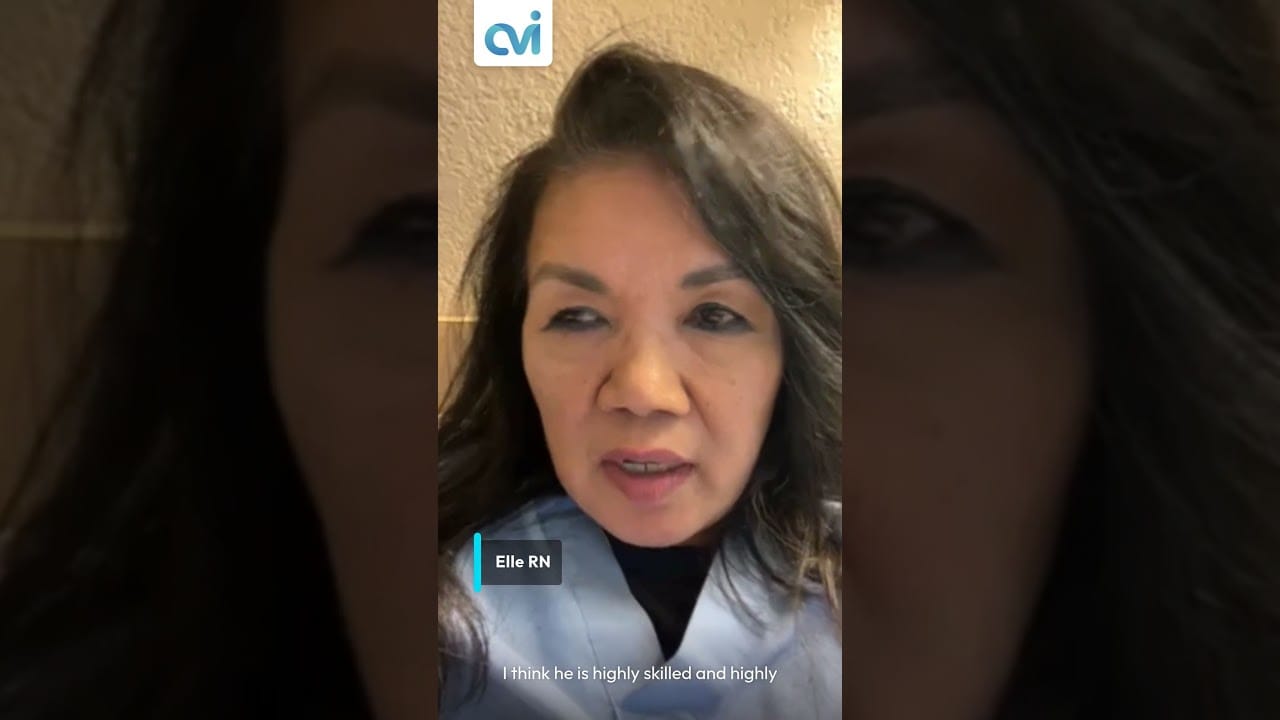
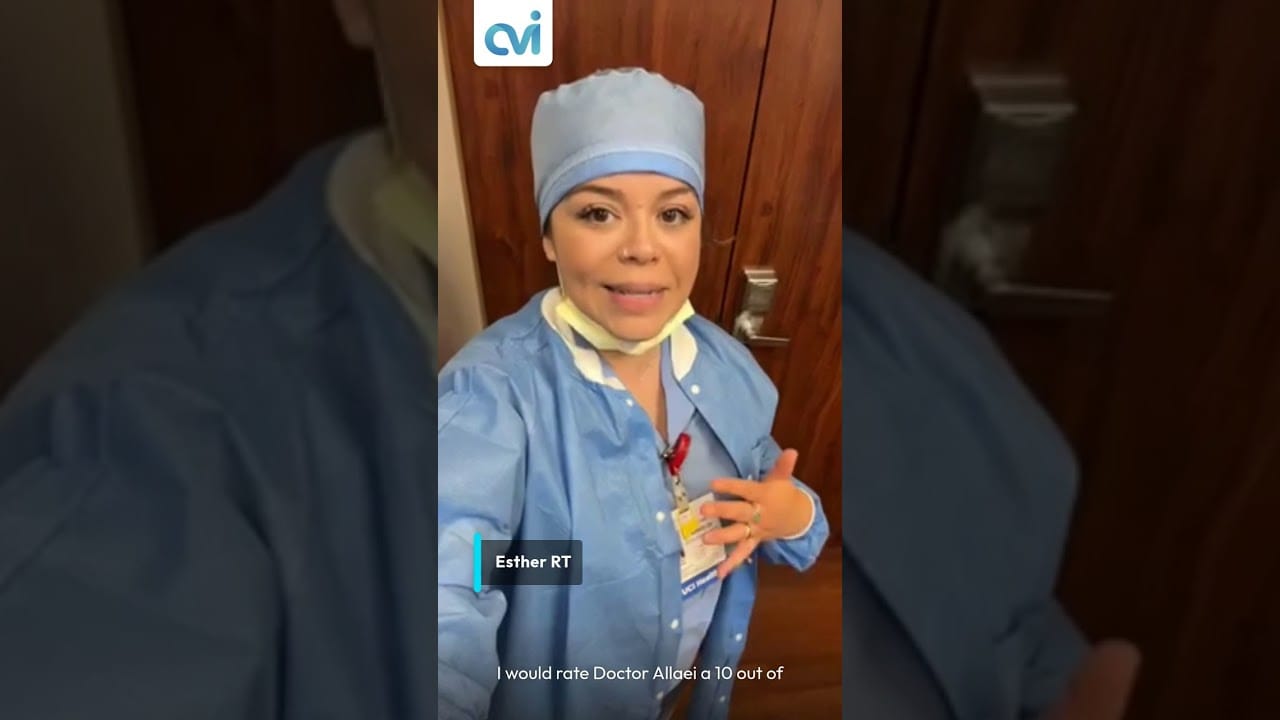
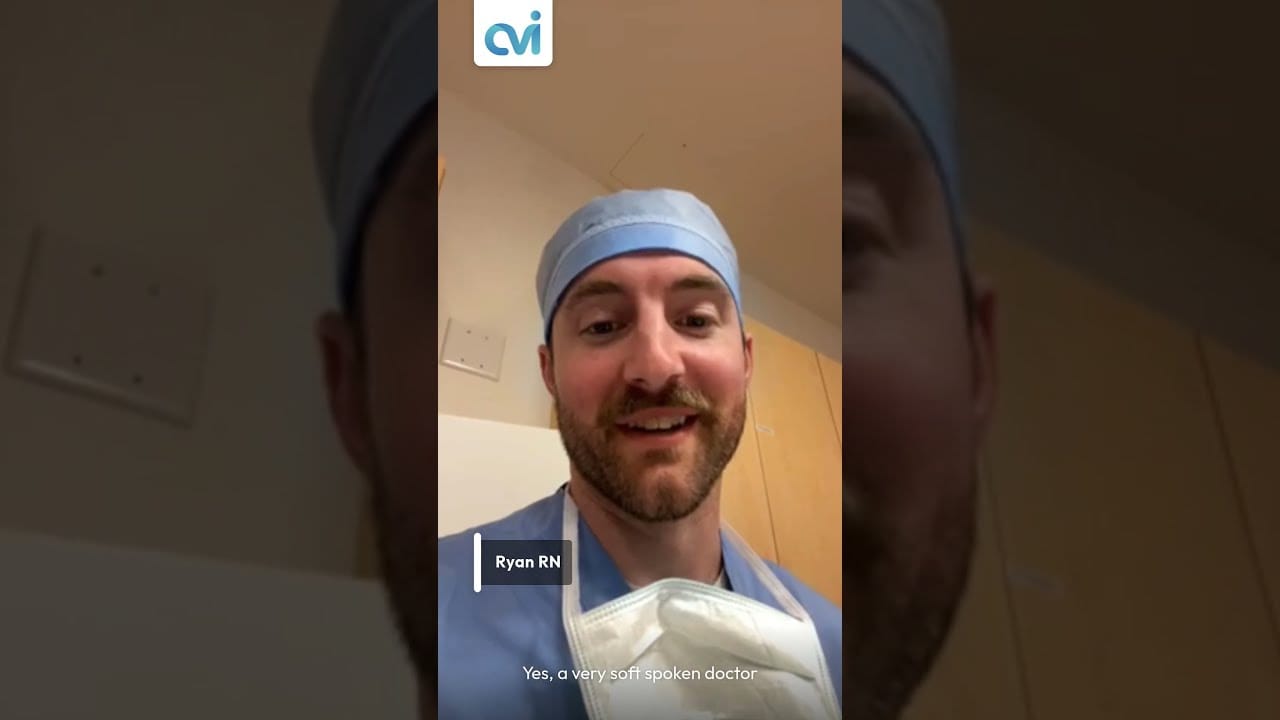
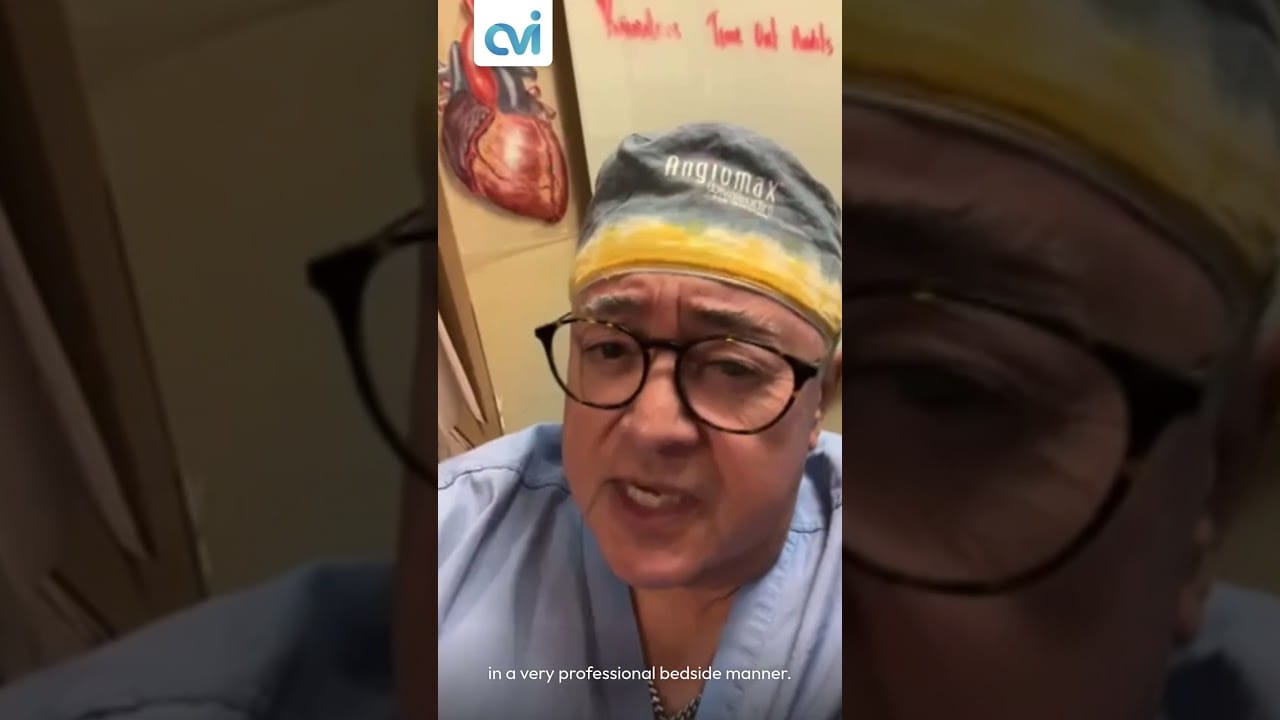
Hear from current and past OR staff

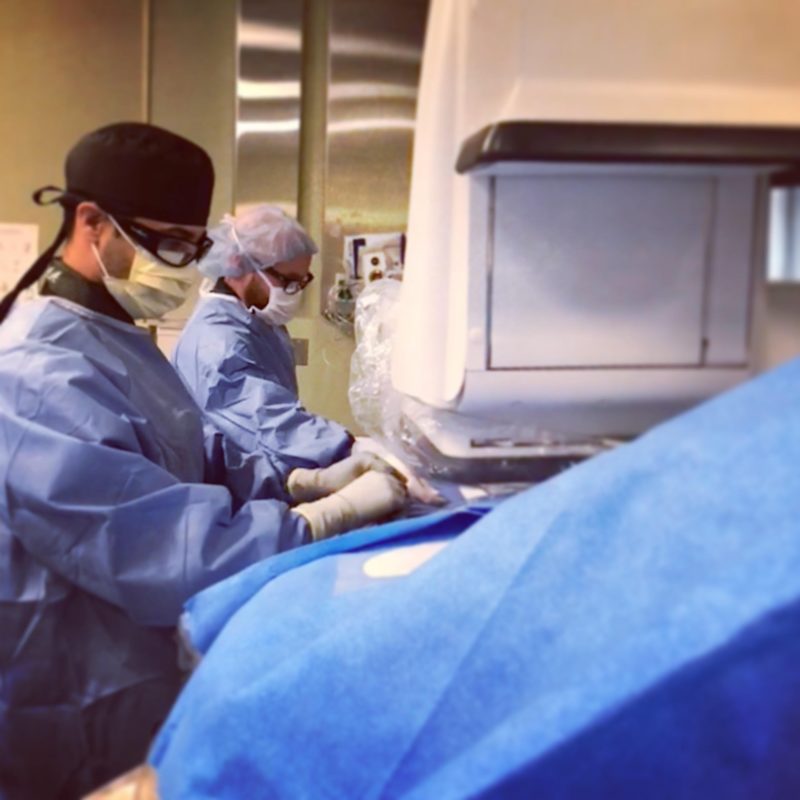
The nurses and technologists who work beside him in the procedure room — the people who watch him operate — describe what it’s like to assist his cases.

Patient reviews tell you about bedside manner. Operating-room staff see something patients never do: how a physician handles a difficult case, how steady the hands are, and whether the room stays calm.

Diana Williams, RN, NP
IR Nurse & Nurse Practitioner
Elle, RN
Cath Lab Nurse
Esther RT
Special Procedures Tech
Ryan, RN
Cath Lab Registered Nurse
Gregory RT
IR / Cath Lab Technologist
Latest updates

Real cases, as he treats them

He posts imaging, outcomes and technique from actual procedures on his professional feed.

Common questions

About Dr. Allaei

Does Dr. Allaei perform the procedure himself?

Yes. He performs every prostate artery embolization personally, and conducts every appointment himself — not a physician assistant, nurse practitioner or rotating provider. The physician who reviews your imaging is the physician who treats you.

He is double board-certified in Vascular & Interventional Radiology and in Diagnostic Radiology.

This is the certification that matters for embolization — and it is not a urology certification. Prostate artery embolization is not a urologic surgery. It is an image-guided vascular procedure performed from inside the arteries through a pinhole, and it is trained for and performed by vascular and interventional radiologists — not by urologists, whose training covers surgical treatments such as TURP, laser enucleation and prostatectomy.

His second certification, in Diagnostic Radiology, is why the same physician who reads your imaging is the one who performs your procedure.

More than 10,000 image-guided procedures, including over 2,000 embolizations — prostate artery embolization, fibroid embolization, musculoskeletal embolization and tumor embolization. That experience spans the prostate, pelvis, lungs, liver, kidneys, bowel, bladder, tumors and the vascular system — which is what allows him to take on complex prostate cases.

TURP removes obstructing prostate tissue through the urethra. PAE reduces the blood supply to the prostate so that the gland shrinks over the months that follow. The two differ in anesthesia, recovery time, catheter requirements and side-effect profile, and the better choice depends on prostate size, symptoms and your own priorities. Read the full comparison →

Yes — patients travel from across the country and internationally. Appointments and imaging review are conducted by video telehealth, so out-of-area patients typically travel only once, for the procedure itself.

Candidacy depends on prostate size, your symptom pattern, prior treatments and your vascular anatomy. Dr. Allaei reviews imaging and symptoms personally before making a recommendation, and will tell you directly if another treatment is the better fit.

Next steps

Explore your options

Non-Surgical

Prostate Artery Embolization

The procedure he specializes in.

Compare

PAE vs TURP

How the two treatments differ.

Background

What is Interventional Radiology?

The specialty behind the procedure.

Coverage

Verify My Insurance

We'll check your benefits and get back to you.

About

Our Difference

How this practice is run.

Locations

Where he treats

Beverly Hills, Pomona and Orange County.

Meet with the doctor who will treat you

Request an appointment and Dr. Allaei will personally review your medical history, symptoms and imaging, walk you through the non-surgical and surgical options, and give you his best recommendation for your specific situation. Available in person or by video telehealth.